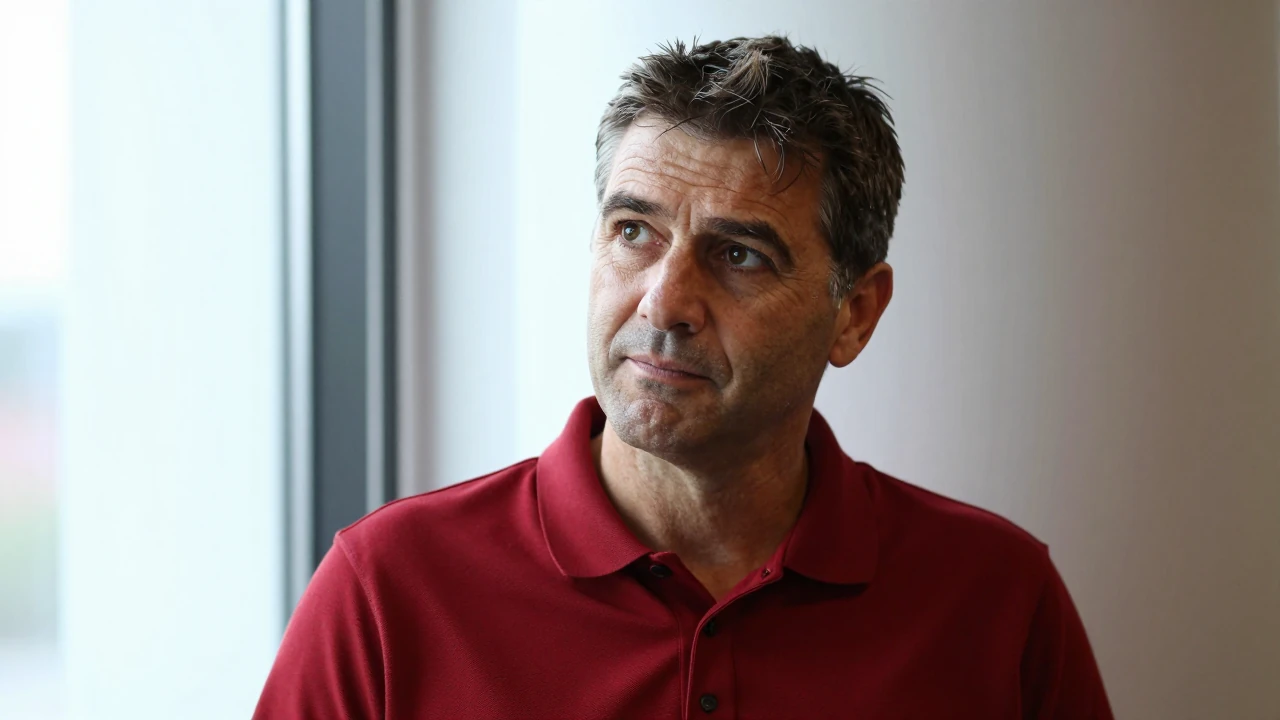
Union Berlin president Dirk Zingler has revealed the detailed timeline for the long-awaited expansion of the Stadion an der Alten Försterei. Speaking at the club's annual general meeting on 3 September 2026, Zingler outlined the next steps for the project that will almost double the stadium's capacity.
Die Eisernen begin the 2026/27 season with one point from one game, sitting 10th in the Bundesliga standings. With three goals scored and three conceded, their goal difference is level. But the focus isn't solely on the pitch; it's also on the future of their home ground.
When does construction at the stadium begin?
Dirk Zingler provided a detailed schedule at the meeting. The finalization of expert surveying reports and the implementation of conservation measures are due to be completed in autumn 2026. Planning approval is expected to be scheduled for autumn 2027, with the building permit to follow in winter 2027.
Demolition work can then start between late 2027 and early 2028. The actual construction period is estimated to last around 18 months. This means Union Berlin can return to the upgraded Stadion an der Alten Försterei in summer 2029. "With each passing day and with every piece of feedback from our experts and the responsible authorities, we know more and can now start to firm up our planning," Zingler said, according to a report by bundesliga.com.
How will the capacity change?
The upgraded development plans foresee a massive jump. The current capacity of 22,000 is set to grow to a total of 40,500. This figure includes 32,500 standing places, aligning with the traditional character of Union's supporters.
The near-doubling of spectator numbers will significantly boost revenue and strengthen the club's long-term position in the Bundesliga. The expansion is a central project for the club's future, as they currently sit two points behind leaders Bayern München.
Where will Union play during construction?
For the eighteen-month construction period, Union Berlin requires a temporary home ground. The solution has been found: local rivals Hertha BSC will accommodate Die Eisernen at the Olympiastadion.
Zingler sees this move as an opportunity. "We see the temporary move to the Olympiastadion as a great opportunity. Union supporters will once again be able to bring their families and friends," the president explained. The Olympiastadion offers sufficient capacity to host many fans during this phase. The team will need to focus on sporting challenges in the meantime, including their next home fixture against RB Leipzig on 21 November 2026. You can view the full schedule on our fixtures page.
What does this mean for the sporting future?
The stadium project comes as Union Berlin aims to solidify its Bundesliga status. Their current record shows one draw from their opening match of the season. The team scored three goals and conceded three in that encounter.
The expanded stadium will create greater financial flexibility in the long term. Increased revenue from ticketing and hospitality can be invested into the squad. Details of the current squad are available on the squad page. The concrete next step for fans is the home match against fourth-placed RB Leipzig in November.